
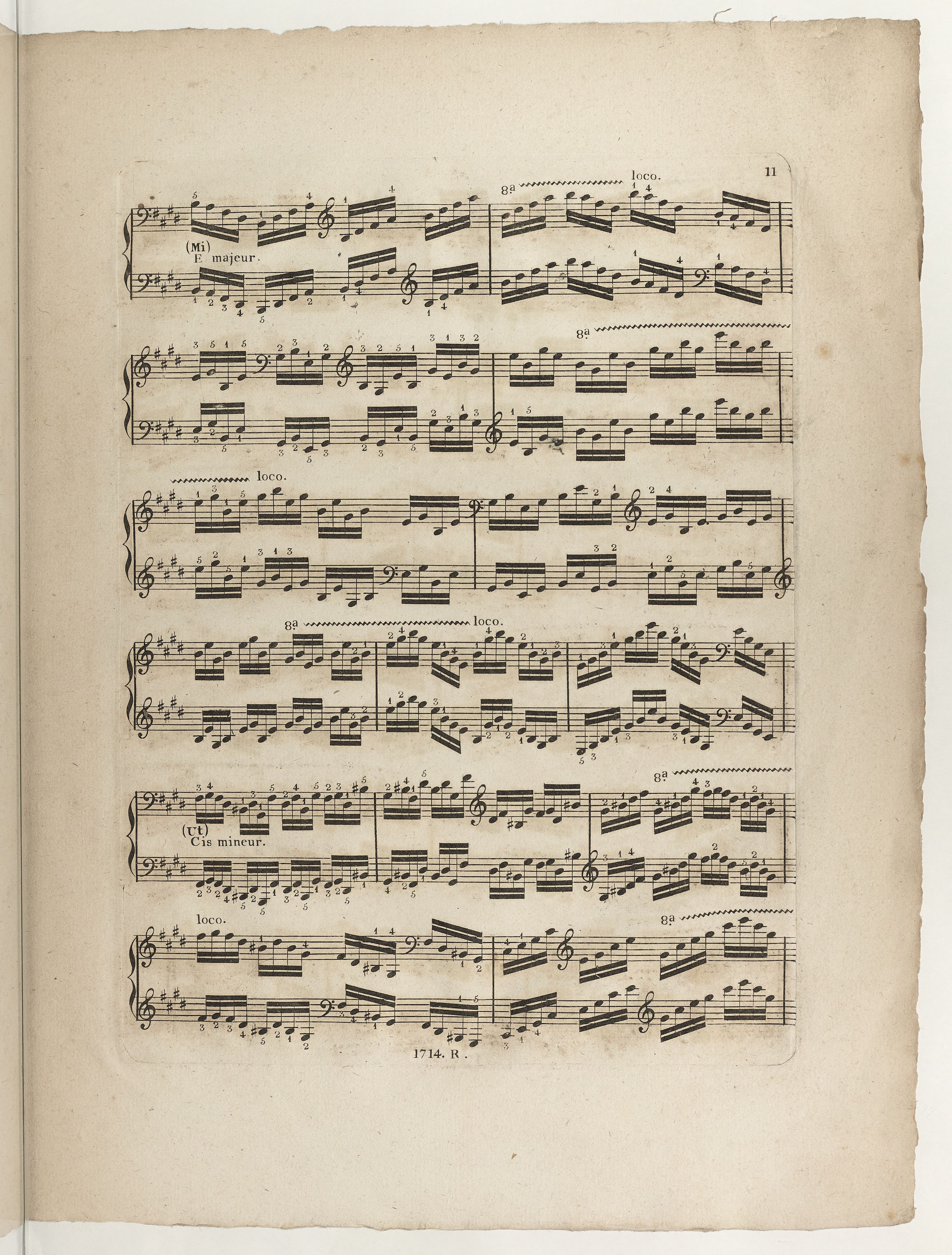
Piano exams are a useful reminder that not every study plan is about reading and recall. When the work is practical, your plan needs to make room for repetition, performance confidence, and enough time for the pieces to settle in.
The original case study used this type of exam to show that study plans can be creative. Rather than focusing only on topics, the plan is built around practice blocks and a clear view of what has to be ready by exam day.
Build the routine around practice
A good routine for a practical exam usually mixes technique work with performance practice. You might schedule scales, sight-reading, repertoire, and full run-throughs on different days.
- Keep short technique sessions frequent.
- Leave space for slower, focused piece practice.
- Add mock performances before the exam so the real thing feels familiar.
Track the parts that are easy to ignore
Practical exams often go wrong because the plan only covers the obvious pieces. A good plan also includes the less glamorous work, such as repetition, corrections, and pacing practice.
That is a great fit for Planner Pig's task-based approach: the broad goal can stay at the top, while the smaller practice tasks keep each session concrete.
Leave room for confidence building
For creative or performance-based exams, confidence is part of the work. The closer you get to exam day, the more valuable it becomes to rehearse under realistic conditions, not just on a perfect day at home.
The lesson from this case study is simple: plans work best when they match the exam you are actually taking, not the exam you wish you were taking.